Home Care Support: Individualized Help for Older Adults
Home care services play an essential role in helping seniors as they navigate daily life. These options offer personalized assistance tailored to individual needs, promoting independence while ensuring safety. Beyond physical tasks, they also furnish psychological care, addressing feelings of isolation. Understanding the various aspects of home care can be complex, yet it is crucial for families looking for the best options for their loved ones. The next steps in this process are critical.
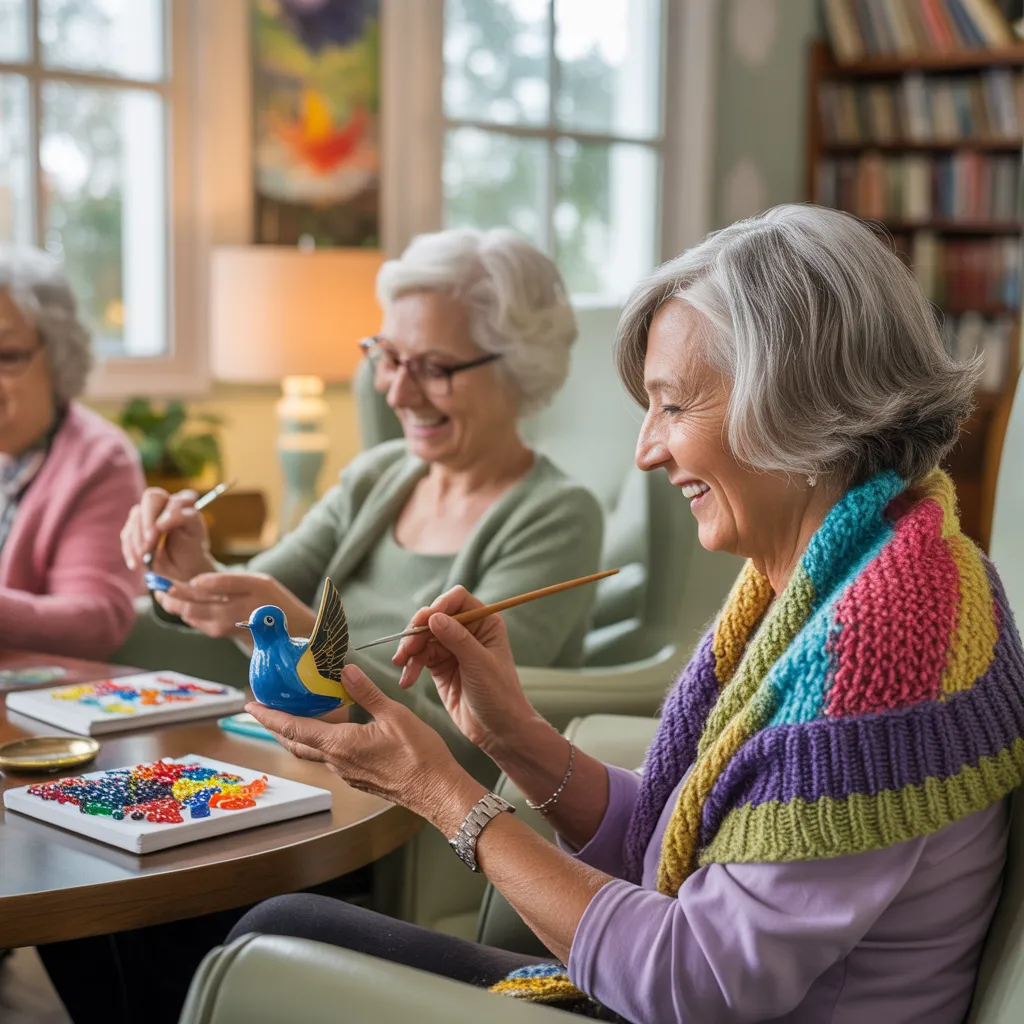
Why Seniors Require Residential care Services
With advancing years, older adults commonly see their capacity for everyday tasks decline, requiring home care services. People often face difficulties like movement limitations, ongoing medical problems, and mental deterioration, making activities progressively challenging. Home care services provide essential support, allowing older adults to maintain independence while receiving customized care tailored to their unique needs.
These services often include help with meal preparation, medication management, and self-care, which can significantly improve the quality of life. Additionally, home care addresses the mental health of elderly individuals by offering friendship and social engagement, decreasing sense of loneliness and solitude.
In addition, home care solutions are flexible, enabling families to modify the level of care as their loved one's needs change. This adaptability guarantees that seniors receive the appropriate support, creating a safe and nurturing environment for aging in place. Ultimately, home care services are essential for promoting health and dignity in the later stages of life.
Steps to Analyze Your Dear One's Needs
How can families properly assess the specific needs of their aging loved ones? Evaluating these needs starts off with direct dialogue. Families should get involved in truthful exchanges, allowing seniors to articulate their preferences and concerns. Tracking daily routines can also furnish perspective into sectors needing care, such as gait difficulties or trouble with domestic chores.
Moreover, households can perform a comprehensive assessment by speaking with medical professionals who can determine medical requirements. This may involve visiting the family member's doctor or examining recent medical records. It is crucial to consider emotional and social needs, as social interaction and psychological health are vital for seniors.
Finally, families should examine the home environment to pinpoint potential hazards or adjustments necessary for protection. By integrating these methods, households can create a detailed understanding of their loved one's needs, resulting in more well-considered choices concerning suitable home care solutions.
Vital Classes of Home Care Provisions for Seniors
Understanding the particular requirements of elderly family members creates the foundation for selecting appropriate home care services. Multiple vital types of home care services cater to these needs, guaranteeing seniors receive the support necessary for their health and wellness.
Personal care programs concentrate on support with everyday tasks such as bathing, dressing, and grooming. Companionship services offer psychological assistance and community interaction, helping to alleviate feelings of loneliness. Medication management guarantees that seniors follow their medication schedules, reducing medical complications.
Additionally, home-based health services furnishes expert nursing support for those requiring healthcare needs, including dressing changes and mobility training. Respite care allows family caregivers momentary breaks, guaranteeing they can refresh themselves while safeguarding their cherished relatives continue to receive care. By grasping these service types, families can determine the best course that strengthen the life quality for their aging relatives.
Understanding the Advantages of Customized Assistance
Tailored assistance greatly enhances the quality of care for elderly individuals, meeting their unique needs and preferences. By adapting services to individual specifications, care providers can promote a feeling of respect and independence, which is crucial for emotional and psychological well-being. This personalized strategy often results in improved health results, as elderly individuals are more inclined to follow to care plans that align with their daily habits.
Furthermore, personalized support boosts stronger bonds between caregivers and seniors, promoting trust and open communication. This bond helps caregivers to better understand the emotional and physical challenges faced by seniors, which leads to more effective interventions. Additionally, it allows families to feel more involved in the care process, alleviating concerns about their loved ones’ welfare. Overall, personalized support not only improves the quality of care but also uplifts the lives of seniors, offering them with the comfort and security they require in their golden years.
Tips for Selecting the Perfect Home Care Provider for Your Family
Finding the right home care provider can appear daunting, yet it is an essential decision for families pursuing the finest support for their senior loved ones. To begin, households should evaluate the particular requirements of their family members, such as medical requirements, assistance with daily living, and companionship. Exploring local providers is vital; households can consult internet ratings, ask for recommendations from acquaintances, or contact community senior organizations for guidance.
Once potential providers are identified, families should conduct assessments to gauge the quality of care offered. Inquire about professional credentials, training, and expertise in handling similar situations. Moreover, it is essential to discuss treatment strategies and flexibility in services, ensuring they can respond to changing needs. Finally, verifying credentials and licenses delivers confidence of compliance with regional standards. By systematically reviewing these factors, families can determine suitable solutions that correspond to their dear ones' unique needs and preferences.
Home Care Budget Overviews
Steering through the financial terrain of home care can be challenging for families, as costs can vary greatly based on services required, location, and the intensity of care required. On average, hourly prices for home care services lie between $20 to $50, depending on the complexity of care. Basic assistance with daily activities often costs less than specialized medical support, which can raise expenses substantially.
Geographic location serves as a key factor in affecting costs; urban areas often have increased pricing compared to rural regions. Additionally, families may encounter different rate options, such as hourly, daily, or live-in rates. Insurance coverage can add complexity to financial planning, as not all policies reimburse home care expenses. Families are encouraged to explore available financial aid, including government programs and community resources, which can help alleviate some of the financial burden associated with home care services. Understanding these cost dynamics is crucial for informed decision-making.
Guidance on Engaging With Home Care Experts
What are the ways households can relay their requirements competently to home care professionals? Clear communication is important for ensuring that aging individuals receive the correct care. To start, households should outline specific needs and preferences, like daily routines, medical conditions, and personal interests. Sharing detailed information helps caregivers to modify their technique effectively.
Second, fostering direct communication is necessary. Families should feel empowered to ask questions and conveying feedback about the care being administered. Consistent check-ins can help address any apprehensions swiftly.
Third, employing written communication, such as care logs or journals, can assist in tracking alterations in behavior or health, which is beneficial for both families and professionals. Finally, fostering a collaborative relationship encourages understanding and mutual respect, leading to improved care outcomes. By applying these strategies, families can establish a supportive environment that enhances the home care process for their family members.
Frequently Asked Questions
What Methods Can I Include My Older Adult in Care Choices?
Engaging a senior in healthcare choices can be realized by facilitating candid conversations, genuinely hearing to their preferences, providing particulars about options, and valuing their choices, eventually cultivating a sense of autonomy and empowerment.
What Are the Symptoms That In-home Care Is Needed?
Indications that assisted living care is called for include difficulty managing daily activities, recurrent falls, social isolation, poorly managed medical conditions, failure to maintain cleanliness, and heightened confusion or memory loss. Family perspectives can further highlight these concerns.
Domiciliary Care Services Customization Over Time: Is It Achievable?
Yes, home care packages can be recalibrated over time. As needs change, attendants can alter the scope of assistance, visitation rate, and types of services provided, ensuring superior care for recipients throughout their journey.
How Should I Address Caregiver Transitions or Changes?
Handling caregiver transitions depends on clear dialogue. Establishing confidence and continuity through slow introductions and detailed care plans can ease shifts, guaranteeing that both seniors and caregivers feel comfortable and encouraged throughout the process.
What Are Frequent Misconceptions About Home Care for Seniors?
Common misconceptions about home care for seniors include ideas that it is merely for the mortally ill, tremendously expensive, or that caregivers lack suitable training. In reality, in-home services supplies broad selections tailored to in-depth article distinct requirements.